
The World Cup Comes to Atlanta. Here’s How Marketers Win the Summer.
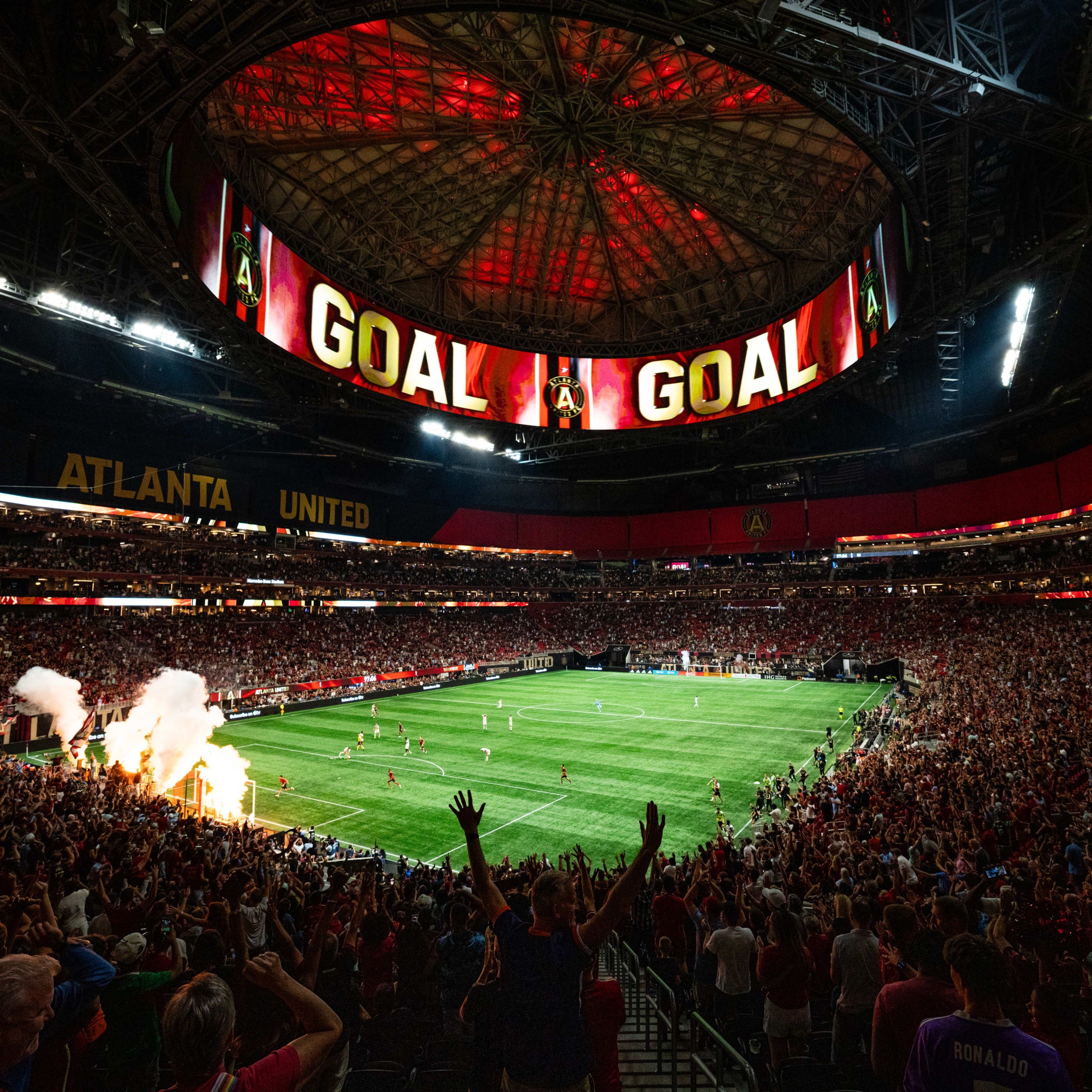
September 10, 2017. Atlanta United played their first official MLS home game at Mercedes-Benz Stadium, defeating FC Dallas 3-0 in front of a crowd of 45,000. Fans on their feet. Voices merged into a single, deafening roar that spilled out of the doors, down Northside Drive. Flags from a dozen nations. Six continents of passion, compressed into one stadium, in one city, in the American South.
Six days later, at the third game of the inaugural season, Atlanta became the first MLS team ever to surpass 70,000 in a single-match. The city went on to break it again a month later. Fan rituals like the Supporters March into the stadium, the Golden Spike and the A -T- L thunderclap were all born that year and still continue to this day.
Now stop and ask: how did this happen here?
How did Atlanta, a city known for Coca-Cola, hip hop and the birthplace of MLK Jr., become one of the most legitimate soccer destinations? It wasn’t the FIFA bid. It wasn’t the architects of the stadium. It wasn’t a marketing campaign or a civic initiative.
It was the people and the stories they have been writing quietly and persistently for decades. And there are deep rooted lessons marketers can learn to ensure they are ready for what’s coming this summer.
The City Built This. Long Before FIFA Called.
Long before anyone wore a black and red scarf to an ATL UTD game, soccer was already being played in Atlanta. Not on pristine pitches with professional lighting and corporate sponsors. But in parking lots. On patches of grass behind apartment complexes. On school fields during the weekends. And it was entirely grassroots. Immigrant workers, college students and amateur leagues playing in Piedmont Park. The people playing weren’t waiting for permission. Long before the MLS scouts arrived, these communities were organizing their own leagues, finding their own fields, and building their own rituals – entirely independent of the institutions that would later take credit for making Atlanta a soccer city.
The Atlanta Chiefs won the city’s first professional sports championship in 1968, spending years running youth clinics and planting the seeds of a soccer culture that outlasted the franchise itself. Then the Atlanta Silverbacks FC carried the torch for two more decades, developing players and building infrastructure through the lean years when Atlanta was still being told it wasn’t a real soccer town.
What all of it adds up to is something no marketing campaign could manufacture: a genuine, community-built soccer identity that was decades in the making. Atlanta didn’t need the World Cup to become a soccer city. It already was one. The World Cup just made it impossible to ignore.
Atlanta’s soccer identity was shaped from the bottom up.
Atlanta United’s arrival in 2017 didn’t create soccer culture, it revealed it. The franchise’s immediate, record-breaking attendance wasn’t a fluke of novelty, it was pent-up demand finally finding a home. It drew from communities who have been waiting for exactly this – a professional team they could pour their existing passion into. The supporter culture that emerged, the chants and choreography, wasn’t modeled after the NBA or NFL. It was imported from global soccer tradition by fans who already knew how this was supposed to feel.
The fans didn’t follow the brand and this distinction matters for how marketers should think about engaging this audience this summer. The way Atlanta built its soccer identity offers a masterclass in something most brand strategists preach but rarely see in the wild: authentic community-led growth. No single campaign created this. No influencer push, no media buy. It grew because real people invested in it before it was cool or commercially viable.
The world is coming to Atlanta. Is the marketing community ready to meet it?
For Atlanta’s marketing community, this raises the question: when the World Cup arrives and brands rush to attach themselves to this moment, which ones will feel like they belong and which ones will feel like they just showed up last minute? Because the fans arriving for the World Cup this summer aren’t typical American sports fans. They are part of a tribe, shaped by culture, nationality and a relationship with a sport that runs deeper than any season ticket.
The World Cup is a one-time stage. Unlike the Super Bowl, returning to the same city happens on a generational timeline, if ever. So the window to get this right is narrow and it’s open right now. The marketers who understand who this audience is will be the ones who win the summer.
We invite you to step onto the pitch.
Join us on May 20, when AMA Atlanta heads to the Chick-fil-A College Football Hall of Fame for Celebrating the Global Games: Star Players on a Global Stage. This dynamic evening will extend well beyond panel discussions and networking opportunities to also include live soccer activations, interactive gaming stations, giveaways and a Green Carpet photo experience!
Get ready to join marketers, brands, business leaders, creatives and community builders who want to understand how a global moment becomes local momentum.
About the Author
Patty Everett is part of the AMA Atlanta Marketing Committee. She is a senior strategist at XD Agency, an award-winning experiential agency transforming brand stories into memorable live experiences.
Photo by Brandon Magnus, Atlanta United